
With US dollar nearly equal to euro, impact is being felt
Trending
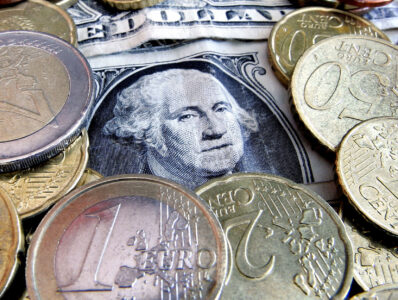
WASHINGTON -- The U.S. dollar has been surging so much that it's nearly equal in value to the euro for the first time in 20 years. That trend, though, threatens to hurt American companies because their goods become more expensive for foreign buyers. If U.S. exports were to weaken as a result, so, too, would the already-slowing U.S. economy.
Yet there's a positive side for Americans, too: A stronger buck provides modest relief from runaway inflation because the vast array of goods that are imported to the U.S. -- from cars and computers to toys and medical equipment -- become less expensive. A strengthened dollar also delivers bargains to American tourists sightseeing in Europe, from Amsterdam to Athens.
The U.S. Dollar Index, which measures the value of American money against six major foreign currencies, has jumped nearly 12% this year to a two-decade high. The euro is now worth just under $1.02.
The dollar is climbing mainly because the Federal Reserve is raising interest rates more aggressively than central banks in other countries are in its effort to cool the hottest U.S. inflation in four decades. The Fed's rate hikes cause yields on U.S. Treasurys to rise, which attracts investors seeking richer yields than they can get elsewhere in the world. This increased demand for dollar-denominated securities, in turn, boosts the dollar's value.
Also contributing to the currency's appeal, notes Rubeela Farooqi of High Frequency Economics, is that despite concern about a potential recession in the United States, "the U.S. economy is on firmer footing compared to Europe.''
Not since July 15, 2002, has the euro been valued at less than one dollar. On that day, the euro blew past parity with the dollar as huge U.S. trade deficits and accounting scandals on Wall Street pulled down the U.S. currency.
This year, the euro has sagged largely because of growing fears that the 19 countries that use the currency will sink into recession. The war in Ukraine has magnified oil and gas prices and punished European consumers and businesses.
In particular, Russia's recent reduction in natural gas supplies has sent prices skyrocketing and raised fears of a total cutoff that could force governments to ration energy to industry to spare homes, schools and hospitals. (European leaders have denounced Moscow's move as an effort to blackmail Europe for backing Ukraine and embracing Western sanctions in the aftermath of Russia's invasion.)