
Council votes to allocate ATE revenues for public safety cameras, ‘quality of life’ purposes
Trending
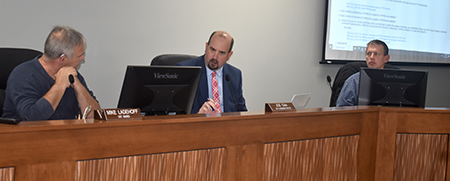
After discussing potential uses for the revenue generated from Automated Traffic Enforcement (ATE) during the most recent meeting two weeks ago, the Marshalltown city council unanimously approved allocating some of it for the purchase of 32 Flock public safety license plate reader cameras and, on a split vote, designating the remainder for "quality of life" initiatives such as police technology, the implementation of the Arts and Culture Master Plan and community beautification projects such as park improvements, maintenance of city entrance points/thoroughfares and nuisance enforcement on Monday night.
The Flock public safety cameras were the first topic of conversation, and as Mayor Pro Tem Mike Ladehoff opened up the floor in the absence of usual Mayor Joel Greer, Councilor Gary Thompson asked City Administrator Joe Gaa if the purchase of the Flock cameras would jeopardize the replacement of body cameras for police officers, which is estimated to cost between $300,000 and $400,000. Thompson indicated that he would prefer the body cameras over the Flock cameras at the present time.
In response, Gaa said the two would be separate from each other and that using the ATE revenue for the Flock cameras could in turn free up more Local Option Sales Tax (LOST) dollars for other expenses like body cameras. Several members of the public then stepped forward to weigh in on how they felt the money, which Gaa projected could amount to up to $500,000 in the first year, should be spent.
Mark Eaton referenced the results of the recent franchise fee vote and opined that its failure was not because of a lack of desire to see roads fixed, but a lack of trust in the council to manage taxpayer money.
"This is a problem because what you're saying in this resolution is we are going to forgo using this money for roads. We have a $3.5 to $4 million viaduct project that we need to fix. I don't see $3.5 to $4 million in the (Capital Improvement Plan) or in the bond that we're gonna borrow. We don't have enough room for that. We're up against the limit," Eaton said. "Hopefully we're gonna get a grant for part of it, and this half a million dollars could go towards that. I don't even know for sure if we're gonna get half a million because the pay rate on these automatic traffic cameras seems to be somewhat skeptical, so I think this needs to be reallocated to roads. And I think if you're gonna put too much burden on Local Option Sales Tax, that might come back to bite you in March."
Thompson then moved to table the motion on the Flock cameras until budget talks after the first of the year, but it died for lack of a second. The original motion, which called for allocating up to $210,000 to fund the Flock program for two years, then passed by a unanimous vote.
The council then moved onto the question of designating the remainder of the projected funds with a resolution that mirrored language discussed at the previous meeting -- 25 percent annually (not to exceed $125,000 annually) for police department technology, 25 percent (not to exceed $125,000 annually) for the implementation of the Arts and Culture Master Plan and 50 percent (not to exceed $250,000 annually) for the aforementioned community beautification projects and code enforcement.
Councilor Greg Nichols reiterated a previous concern about allocating money without concrete proposals being presented, and Gaa said that while the resolution would provide more guidance on how the funds could be spent, specific requests for specific uses and dollar amounts would still have to come back to the council. Gaa added that if the funds would happen to exceed the $500,000 projection, the council could spend more than the defined percentages and dollar amounts.
"I'd still propose we have projects actually defined before we allocate money," Nichols said.
Thompson then commented that when the ATE proposal first came before the council, Police Chief Mike Tupper said he did not want the revenue to flow into his department, but that seemed to be what was now happening. He also suggested using the money to simply balance the general fund instead of allocating it for specific projects.
During the public comment period, Leigh Bauder spoke of what she has heard from citizens about what they want while assisting in her significant other Mark Mitchell's campaign for council: street improvements, code enforcement and public safety.
"I would encourage you just to remember to do some of those things. We all want the city to look beautiful. We all want the beautification, parks, etc., but please use these resources for the things that the citizens are saying they want," she said.
Eaton encouraged local nonprofit foundations to contribute more to quality of life improvements like parks and recreation, and Erin Carpenter then offered a contrasting viewpoint that those quality of life issues are integral to a "healthy, functioning community."
"Health and wellness is a huge issue these days. We're facing a monumental mental health crisis post-COVID and also just the society that we live in these days. I think that these dollars would be very well spent if they were spent on the Arts and Culture and the parks system," Carpenter said.
Doris Kinnick asked that the money go toward roads and contended that it would also help to beautify Marshalltown. A motion to approve the designated uses passed by a 5-2 vote with Thompson and Nichols opposed.
In other business, the council:
• Approved the consent agenda as listed.
• Recognized Karen Bassett for five years of service to Marshalltown Municipal Transit.
• Removed a motion from the table and approved using the council-designated LOST dollars to fund the new compensation scale for non-union employees.
• Approved entering into a general purpose loan agreement for $9.84 million and setting the bond sale date for Nov. 13 by a 6-1 vote, with Al Hoop opposed.
------
Contact Robert Maharry at 641-753-6611 ext. 255 or rmaharry@timesrepublican.com.