Animal intake temporarily suspended at ARL
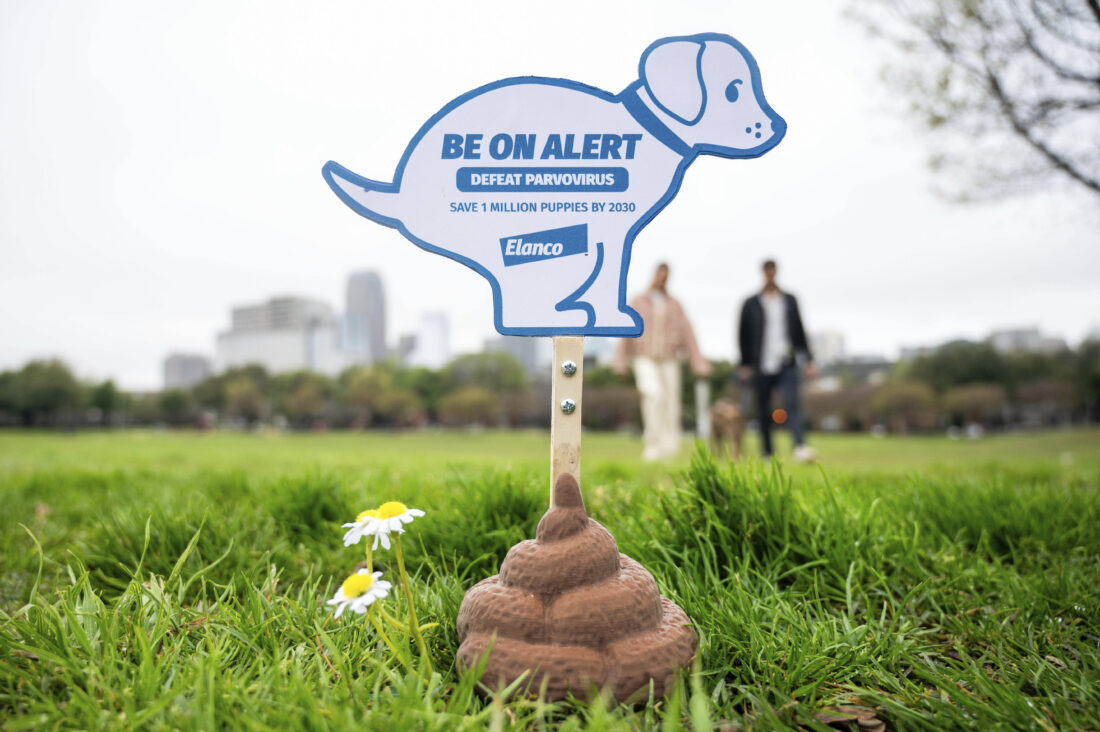
AP PHOTO In this image, an important message left in fake dog poop at a park in Dallas. Poop can kill is the lesson Elanco Animal Health is planting in communities nationwide to raise awareness of the deadly parvovirus.
The Animal Rescue League of Marshalltown (ARL) placed a temporary suspension on non-emergency animal intakes on Thursday when knowledge of cases of the parvovirus in two puppies became known.
After the puppies were diagnosed shortly after adoption, the facility began taking steps to undergo complete sanitation to prevent further spread and protect the animals already in their care. ARL Executive Director Austin Gillis said those puppies were vaccinated when they were adopted and symptoms were not visible at the time.
According to Gillis, parvo, short for canine parvovirus, is highly contagious among puppies and unvaccinated dogs. It attacks rapidly dividing cells, particularly in the intestinal tract and bone marrow. The virus can lead to vomiting, diarrhea, dehydration and sometimes heart complications.
“It spreads through contact with infected feces, contaminated surfaces or even on people’s clothing and shoes,” he said. “The virus can survive in the environment for months to years.”
Gillis stressed the ARL cats cannot catch this parvo strain. They are susceptible to feline panleukopenia virus, which is similar, and is not present at the facility.
Parvo, he said, has an incubation period of three to seven days, and can live in just about everything. So, the puppies could have been exposed before they arrived at the ARL, during their stay or after adoption.
“It is not possible to say with certainty where exposure occurred, but the ARL is treating the situation with full transparency and caution,” Gillis said. “Because we can’t determine where the exposure came from, we are taking every step to ensure if it did come from our facility, that we clear it out with commercial strength Parvocidal cleaners.”
After the ARL received word of the presence of the virus, the staff contacted their veterinarian and have maintained communication to ensure proper steps are taken.
“Intake will remain paused until veterinary partners confirm the shelter is clear of any potential virus and the environment has been fully disinfected,” he said. “Even just moving a dog from intake to a kennel could bring in outside yuck. We don’t want to brush our teeth while eating Oreo’s. By suspending intakes until sanitation can be completed, we lessen any incidental exposure.”
Gillis anticipates the sanitation to be completed early next week. Steps are also being taken to protect the animals in ARL’s care. Visitors are being restricted to reduce the chance of outside contamination. If a dog is suspected or confirmed of being a carrier, it is placed in immediate isolation. Vet testing and treatment is being given to all exposed animals.
“If you have an animal, it has been exposed to the virus,” he said. “Staying diligent with vaccines is the best preventative.”
The treatment of the animals, sanitation of the facility, the restriction of visitors and temporary suspension of intakes are consistent with best practices in veterinary medicine and shelter management.
There are also a few ways the virus could have entered the ARL. Gillis said it could have been brought in with newly-admitted dogs not yet displaying symptoms. Another source could be contaminated surfaces, clothing or shoes of visitors or staff; or community exposure from strays or surrendered pets.
“Because parvo is so resilient, even a single exposure can trigger an outbreak,” he said.
The ARL has faced parvo before. Like most shelters, Gillis said there have been cases in the past. The historical records show cases have appeared intermittently, and the exact counts vary each year.
“Outbreaks are rare, but not unprecedented, particularly during puppy season or after large intake surges,” he said.
The situation is heartbreaking for Gillis, but the actions taken are necessary to protect pets. He stressed vaccination is the best defense against parvo, and all pet owners should keep their animals up-to-date on their shots. Staff are also putting together parvo information packets to distribute to the public.
“After talking with local vets, we have seen an uptick in parvo cases in Marshall County,” Gillis said. “I am from the GI Joe era — knowing is half the battle. If any community members would like to learn more or have any specific questions or concerns, we encourage them to reach out to us.”
——
Contact Lana Bradstream at 641-753-6611 ext. 210 or
lbradstream@timesrepublican.com.
Todays News
Local leaders gather for two-day Sequential Intercept Model conference at Vets Coliseum
Animal intake temporarily suspended at ARL
‘Snow much fun’ abounds at Gladbrook’s annual tree lighting
Santa Claus is coming… to Pinnacle Bank
Old hospital foreclosure sale postponed, city seeks deed in court