
Multilingualism as an asset: How schools distinguish learning English from having a learning disability
Trending
In our increasingly interconnected world, multilingualism is a superpower. The ability to communicate effectively in more than one language helps people think flexibly, understand different cultures, and succeed in the workforce. Businesses value multilingual employees to expand services and connect with international companies. The Iowa Department of Education recognizes these skills through the Seal of Biliteracy, a credential placed on qualifying students' high school transcripts for colleges, universities, and employers. Still, multilingual students need strong academic preparation to build literacy, academic, and career skills.
When multilingual learners enter our schools, they bring knowledge and language skills in their home language. They use these tools to learn English and academic content. However, sometimes English language development and academic learning do not always progress as expected. How do schools determine the best course of action when a student's struggles raise concerns?
Distinguishing between learning a new language and having a learning disability is complex. It requires a step-by-step process centered on the student. School leaders assemble a team including teachers, parents, and specialists. This group must include people who know the student well, understand their culture, and specialize in language learning or special education. Staff from Central Rivers Area Education Agency often join these teams to support district staff, students, and families.
The team reviews the student's background, current progress, and specific concerns. They look at past educational experiences, including schooling in the home country. The team checks English development and tests academic skills in both English and the home language when possible. Evaluating home language skills provides helpful insight to guide instructional decisions. Next, the team compares the student's progress with peers who have similar backgrounds and experiences. This helps determine whether language development and academic progress match trends seen with similar learners. Finally, the team decides the best path forward: allow more time for language learning, provide targeted interventions, or refer the student for special education evaluation.
Distinguishing English language acquisition from a learning disability takes careful thought. By viewing language skills as assets and relying on a knowledgeable team to gather and analyze data, schools ensure well-informed decisions that support student success.
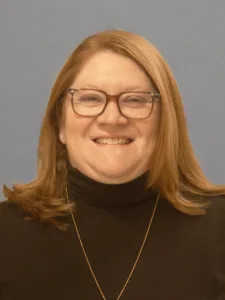
Dr. Lisa Wymore is an Educational Services Consultant for Central Rivers Area Education Agency. She can be reached at lwymore@centralriversaea.org. Central Rivers AEA serves children, families and educators in 18 counties of Iowa.