
Round River: Why did the caterpillar cross the road?
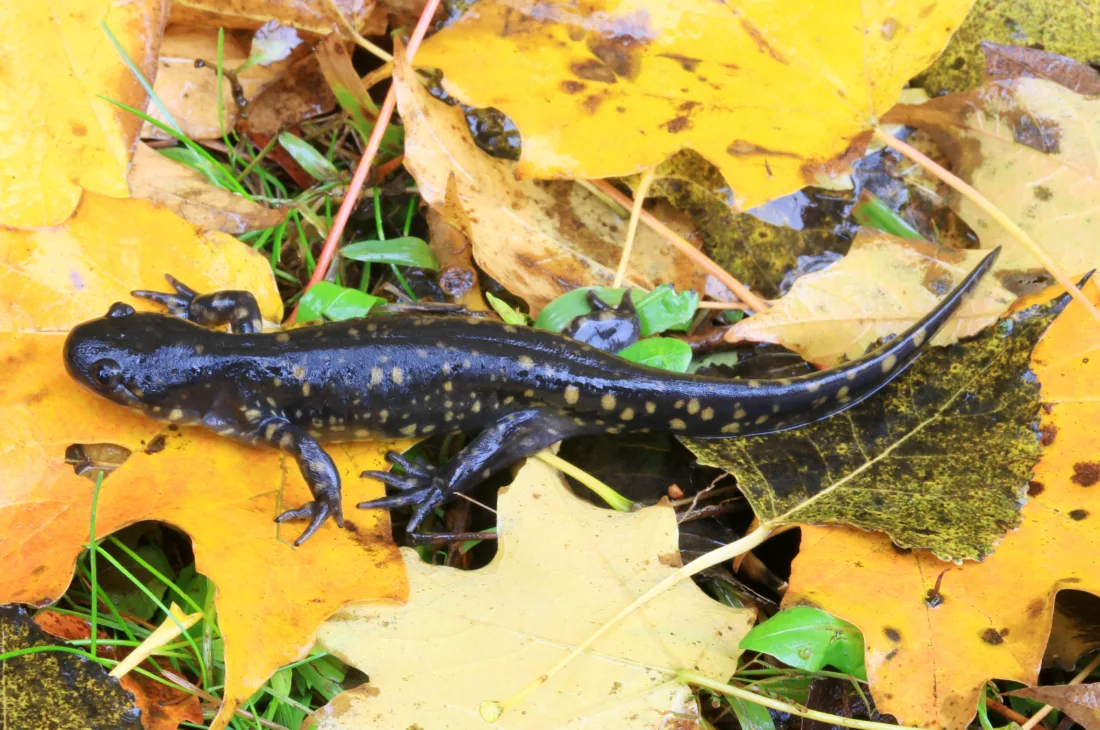
Tiger Salamanders are Iowa’s most common salamanders. In early October, they migrate from their summer grounds to overwintering sites, where they dig burrows that reach below the frost line.
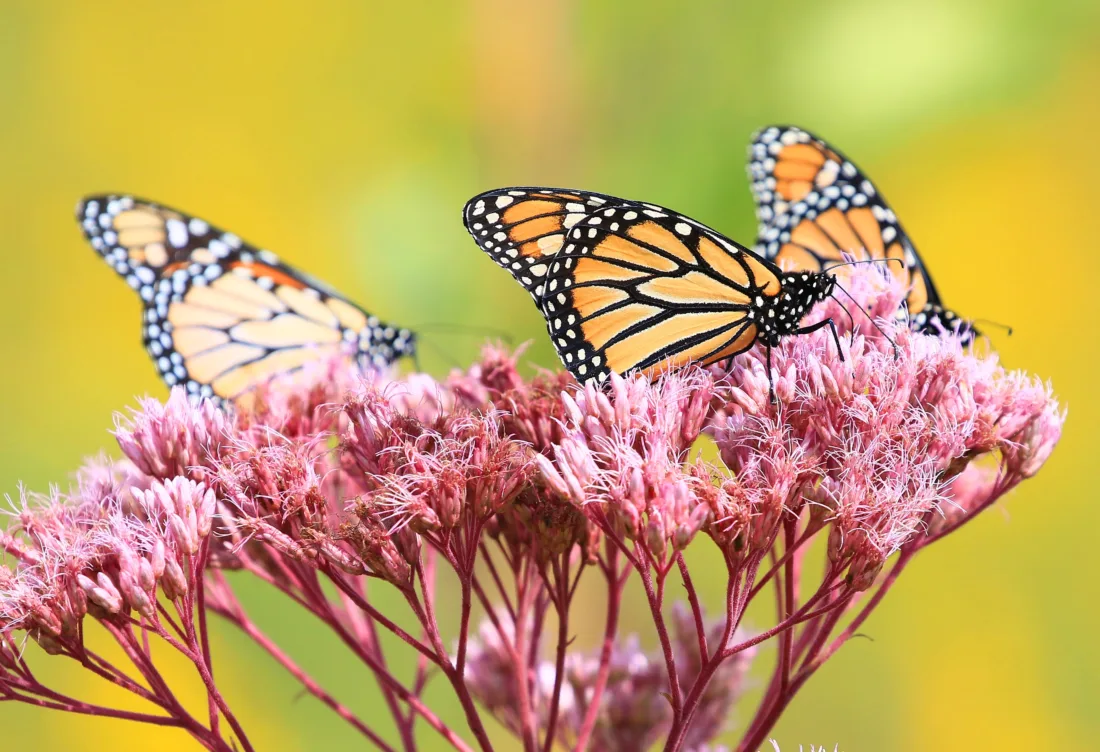
Monarch Butterflies migrate 1,200 to 2,500 miles from Iowa to Central Mexico.
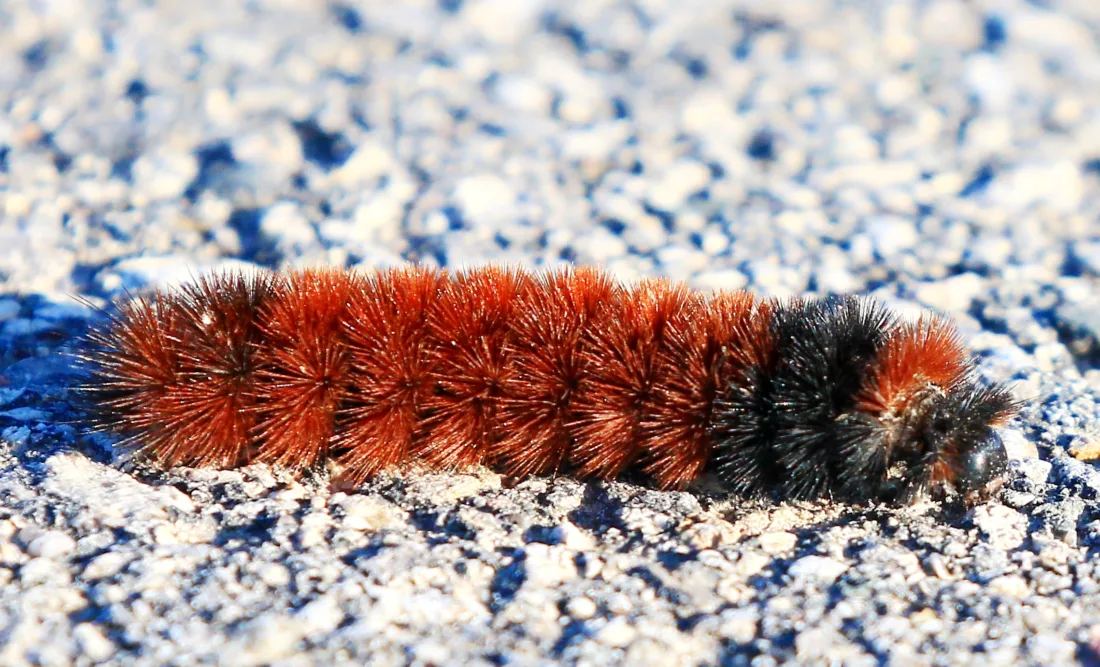
PHOTOS BY LARRY REIS Woolly Bear Caterpillars are the larvae of the Isabella Tiger Moth. This time of year, they migrate to find a secure place to overwinter as caterpillars.
Tiger Salamanders are Iowa’s most common salamanders. In early October, they migrate from their summer grounds to overwintering sites, where they dig burrows that reach below the frost line.
Monarch Butterflies migrate 1,200 to 2,500 miles from Iowa to Central Mexico.
PHOTOS BY LARRY REIS Woolly Bear Caterpillars are the larvae of the Isabella Tiger Moth. This time of year, they migrate to find a secure place to overwinter as caterpillars.
Trending
I SWEAR! I am not distracted driving; I'm just trying to avoid the caterpillars! I have my speech ready in case I get pulled over. For the record, I do not drive recklessly or swerve over the line; I'm just trying to avoid killing every caterpillar that thinks the grass is greener on the other side of the highway. I HATE driving this time of year, whether it’s caterpillars or snakes, monarchs or salamanders; it always feels like they have a death wish. And yes, I feel bad when I hit them. Call me crazy all you want, but somewhere along the line, I decided that their value is not less than mine; maybe that is why I am in conservation.
I have been known to yell, "WHY!?!?!" at them when they seem to intentionally swerve into my path or decide that Highway 330 is the best place to cross. But that question has a lot to unpack. Why do animals cross the road, besides getting to the other side? The answer is simple and pretty much the same. This time of year, they cross the road to migrate and find a perfect place to overwinter.
Woolly bear caterpillars, the larvae of Isabella Tiger Moths, cross the road at a whopping 0.05 miles per hour. They’re looking for a place to overwinter. Insects that don’t migrate, like some dragonfly and butterfly species, overwinter or enter diapause as eggs, larvae, nymphs, pupae, or adults. Diapause is similar to hibernation. However, diapause differs in that development stops, whereas in hibernation, development slows but does not stop completely. Currently, grasshoppers and praying mantises are laying eggs and dying, as most overwinter as eggs. Mourning cloak butterflies overwinter as adults and are burying themselves in leaf litter. Large moths and some butterflies overwinter as pupae in cocoons or chrysalises. But tiger moths overwinter as larvae, or caterpillars.
Choosing the right overwintering location is vital to their survival. Their location must protect them from cold, predators, and dry winter winds. They commonly overwinter in piles of leaves, firewood, or the loose bark of dead or dying trees. As the temperature drops, they curl into a ball, and their bodies begin to produce a cryoprotectant that acts as an "antifreeze," protecting their tissues and preventing the water inside their bodies from freezing. In spring, as the weather warms, they thaw out, eat a lot, form a cocoon, and continue the life cycle. Good news for all of you who have to rake leaves: here is a perfect excuse not to rake! Leaving leaves and dead standing plants provides important habitat for overwintering insects.
Snakes also cross roads to find a hibernaculum, or a communal den they use year after year. Hibernacula are usually small caves, rock outcroppings, or animal burrows that let snakes go below the frost line to over-winter. In hibernacula, many species congregate, including fox, garter, and bull snakes, to conserve heat. Snakes practice brumation, which is different from hibernation and diapause. In brumation, snakes lower their metabolism, heart rate, digestion, and respiration. However, unlike hibernation, when animals sleep consistently, snakes may wake up on warm days to move slowly around and drink water. Reptiles must go into brumation to survive Iowa’s cold weather, so as these warm days become few and far between, we will see snakes crossing the road to travel sometimes miles from summer feeding areas to their hibernaculum. I encourage you to slow down when driving on 233rd Street on the way to the nature center, as I have already pulled off four snakes this week and saw several others that weren’t so lucky!
This year was also a big migration year for Monarch butterflies. We received over a dozen phone calls about roosting monarchs, and the Iowa Monarch Conservation Consortium reported over 500 monarch roosts this fall. Marshall County Conservation tagged nearly 600 monarchs as they migrated south this fall; it was good to see such large numbers again. Many animal species use weather fronts to help with their migrations, and we suspect multiple fronts moving through Iowa led to the large groups of monarchs this year. One local landowner had thousands of monarchs roosting in their white pines just north of Marshalltown; it was a beautiful sight. We have not seen groups this large since the Derecho in 2020. This made for some treacherous driving! I even caught my husband trying to miss a few.
Salamander migrations are also happening this time of year, too. They are also primarily active at night. They are far less common than the others, but sometimes, if you are lucky and the weather is right, you can stumble upon large migrations of these ridiculously slow-moving amphibians. This is the best time to see them, as they spend most of their lives underground. In the fall, cool, rainy nights, like the many we have had recently, will trigger tiger salamanders to move from the summer territories and natal ponds (where the young are laid and mature) to upland habitats and surrounding farmlands where they will dig their own burrows or stay in abandoned mammal burrows, sometimes up to two feet underground to be able to overwinter below the frost line.
Warm days and cool nights have triggered these animals’ instincts to prepare for winter, and they have begun their migrations. Some may travel thousands of miles to Central America; others may cross the road. Watching their journey reminds us that we share our world with many creatures, each with its own path and purpose. Fall is the perfect time to slow down and enjoy the natural world around us. It is also the perfect time to act with empathy rather than convenience. So next time you see a caterpillar crossing the road, slow down and let it get to the other side.
Emily Herring is the director of the Marshall County Conservation Board.