
Rush-ian Roulette
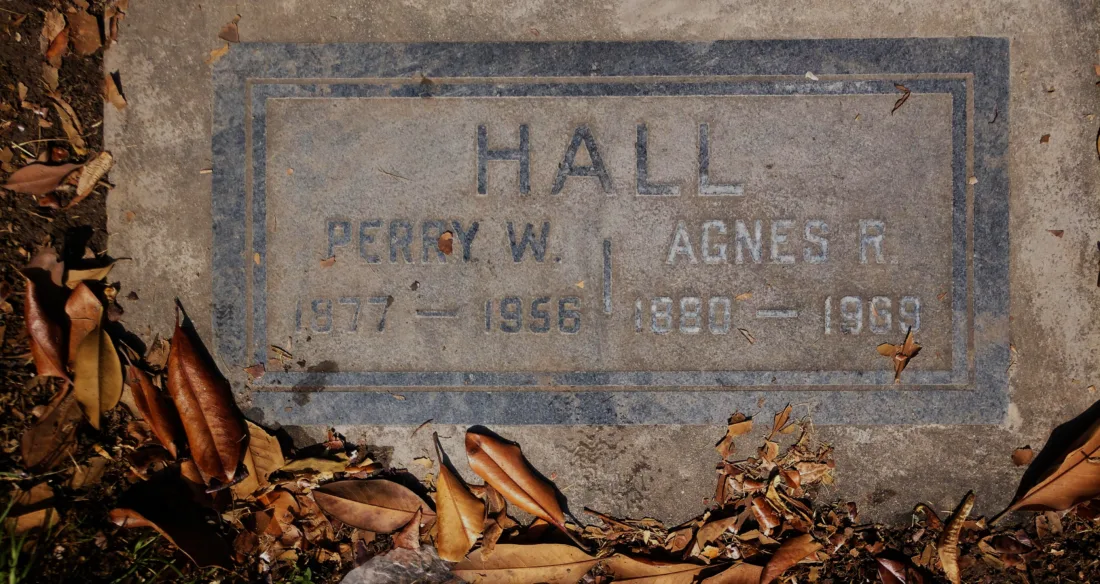
Perry Walter Hall-California
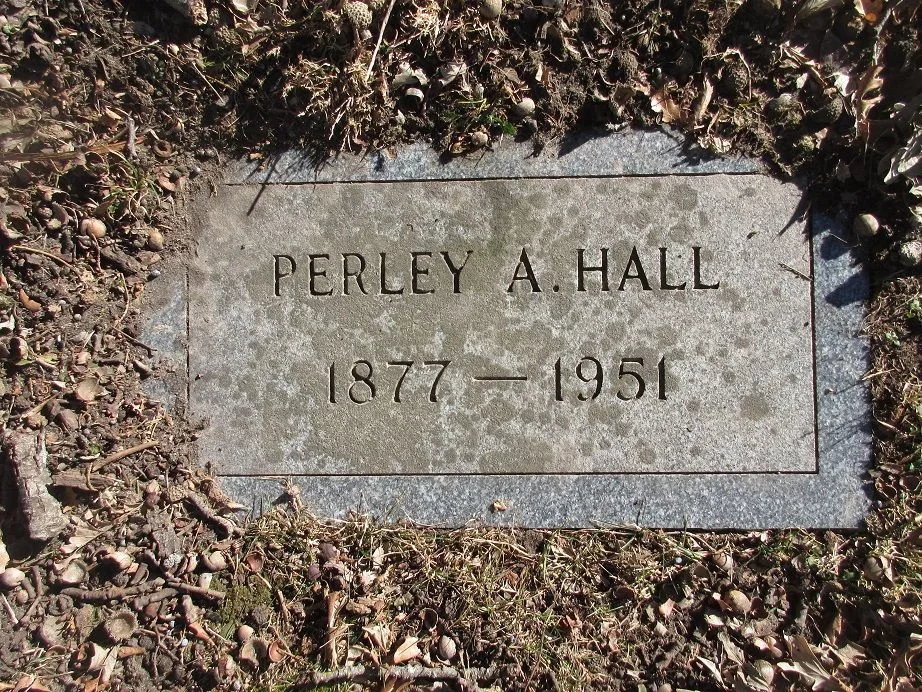
Perley Amos Hall-Riverside
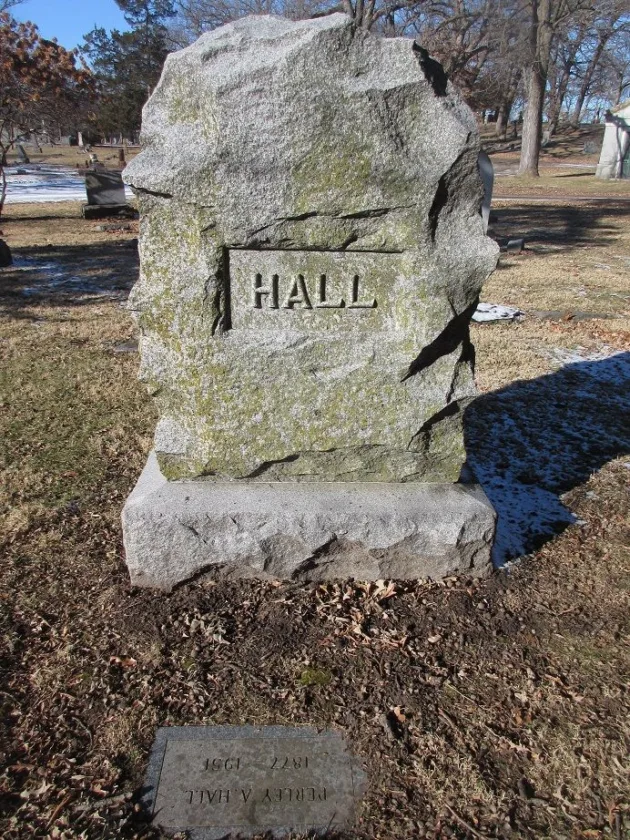
Hall family monument in Riverside
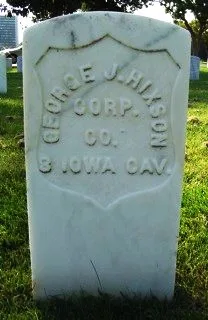
George J. Hixson headstone --Los Angeles
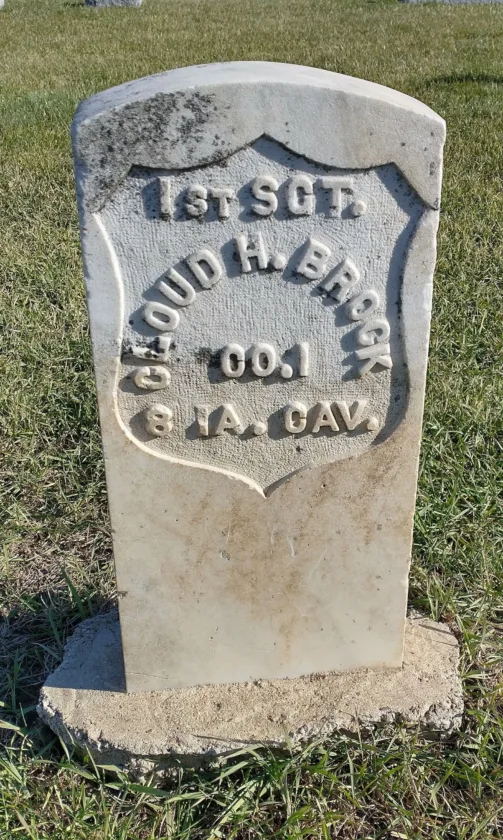
Cloud Brock headstone--Green Mountain
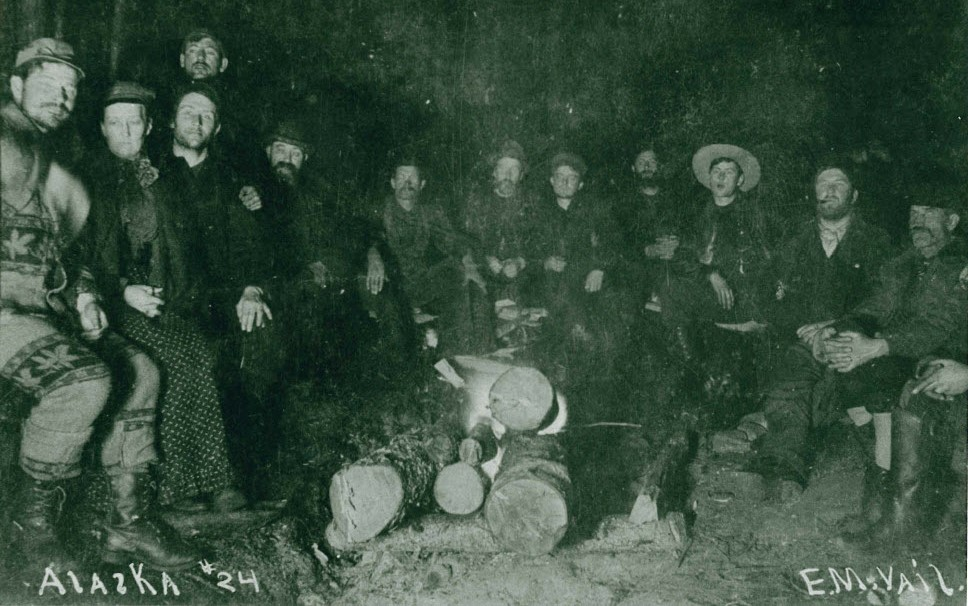
Stampeder group by E.M.Vail
Perry Walter Hall-California
Perley Amos Hall-Riverside
Hall family monument in Riverside
George J. Hixson headstone --Los Angeles
Cloud Brock headstone--Green Mountain
Stampeder group by E.M.Vail
Trending
Russian roulette is a potentially fatal "game" of chance. The Klondike Gold Rush might have been almost as dangerous a game for many of its participants. Some lost a great deal of money, some their health, and for some, it cost them their lives. It has been described as a "massive financial and physical gamble" where prospectors "risked everything'' on a very uncertain lottery. Men, like San Franciscan Jack London, sought vainly for gold in the far north in 1897 at great personal risk, despite the great odds stacked against success.
However, eventually, the youthful London became widely admired and respected for the stories he penned about his adventures during the Rush afterwards. Novels like "The Call of the Wild" and "White Fang" in time made him admired, renowned, and very wealthy. He also wrote many short tales of the Klondike which accurately captured the atmosphere of the gold rush era from the perspective of an eyewitness.
The Past Times has been following the tales of the Marshalltown Klondikers who also went north hoping, like so many others, to strike it rich. These last groups mostly left Marshall County later than the others previously discussed here, leaving Iowa in early 1898. Three of the leaders of the bands of later adventurers were all well-known locally: Cloud H. Brock, George Hixson, and Doctor Thomas C. Brady.
Cloud Brock, whose family were among the county's first settlers, was known as a Civil War hero, first enlisting in the 2nd Iowa Cavalry. He was severely wounded in battle in Mississippi and sent home. As soon as he could, however, he re-enlisted, this time into the 8th Iowa Cavalry. In this second tour of duty he was captured in battle and sent to the infamous Andersonville POW camp. Upon his release, he was quickly given the rank of Captain, but the War was over.
Back in Marshalltown, he ran for, or was appointed to, many city, county, state, and federal government positions, ranging from city clerk, to postmaster, to elections supervisor, to tax collector. Thirty years after his wartime service, and after decades of civil service at home, he caught a bad case of gold fever. He talked matters over with his old army buddy, George Hixon.
George had also enlisted into the 8th Iowa cavalry but seems to have avoided serious wounds or capture in 2 full years of faithful duty. He returned to the Marietta area of Marshall County where he farmed, raised a family, and was an active member of the GAR, the War veterans organization. Gold fever, as we have seen, is highly contagious. Brock, and Hixson joined the roughly 100,000 other men, and some women, who joined the "stampede" to the Yukon regions hoping to find a fortune in gold. The soldiers of our local Grand Army of the Republic gave the 2 cavalry veterans a big send-off party.
Brock wrote very optimistic reports to the T-R of their trip and various adventures. In Seattle they bought shares into a company and became part owners of a good schooner named "Columbia" headed directly to Cook Inlet toward Anchorage in relative comfort. One TR account reported that a "well known farmer" George Allen would soon join them. In a later letter Brock told the TR readers that the anchor chains on their boat were broken in a storm and they almost lost everything. They were planning on replacing the anchors and moving off to a more remote place soon. Some of their party was leaving, "discouraged". Some of Brock's letters to the newspaper casually mention Marshalltown area men he met by chance in the Arctic, men like J.L. Read, son of John Read of Illinois Grove, northeast of Marshalltown. J.L. was making good money working in the shipyards of the Alaskan Transportation Company.
Cloud Harvey Brock is buried in Green Mountain in a grave marked by a simple military headstone. George J. Hixson is buried in California, in the Los Angeles National Cemetery, with a similar military stone to mark his final resting place.
Doctor T.C. Brady, born in 1853, came from Ireland to Iowa in 1872. He was educated at the State University of Iowa (Iowa City) medical college. He opened his practice in Brooklyn, Ia., before coming to Marshalltown, where he was a noted physician and surgeon for 42 years before he died. In 1898, at age 45, he caught an almost incurable case of Yukon Fever, perhaps from a patient he was treating. He quietly took time off from his professional life. From that moment on he began forming a troupe of like-minded men to follow him into the snowy wilderness. Among these recruits were Perley Amos and Perry Walter, 20-year-old twin sons of a prosperous Timber Creek farmer, Amos Hall.
Looking forward through several years of records on this trio of seekers, there seems to be no indications of any "found" wealth. Dr. Brady died in 1917 and is buried in Iowa City under a headstone that is now badly weathered and almost unreadable. Perley Hall, who lived until 1951, is buried in Riverside cemetery in a nice family plot while his twin Perry Hall was laid to rest in California in 1956 under a modest stone that closely matches his brother's.
Some of these names are mentioned in the press as if they were independent of each other, some articles made it sound that they travelled to the west coast separately only to join up with their area companions later. But even later articles made it seem they might basically all be part of one loosely organized group. The lines are sort of mushy.
Our final name today is Harry Friend, son of Alvin M Friend, who with his father and brother ran one of Marshalltown's most successful clothing stores. Harry's name in the local Klondike stories is closely associated with Herman Hoeck and James Stevens (or possibly Stephens). Most "departure for Alaska" stories in the T-R received better headlines and more space, while their "return to Iowa" articles were generally much smaller and more subdued. Friend, Hoeck and Stevens had a short, somber, unambiguous "found no gold" news story greet them when they came back to Iowa, but Friend was determined, he said, to get back to Alaska soon. He was undeterred. However, his life was cut short at age 37, and that story alone is dramatic enough.
Next month Past Times will conclude this Yukon series with additional information about some other Marshalltown gold seekers and their results, naming several more men who followed the example of the men above, going into the cold Alaskan-Canadian wilderness, to try their luck in the grand lottery.