
What spiking US veterinary prices reveal about inflation
Trending
WASHINGTON -- Most pets hate visiting the vet. Now it's becoming a lot more unpleasant for their owners, too.
America's worst bout of inflation in four decades has swollen the cost of your dog or cat's visit to the animal doctor. Prices for vet services have jumped 10 percent in the past year, government data shows -- the biggest such spike on records dating back two decades.
The surging cost of veterinary services illustrates how high inflation has spread well beyond physical goods, such as cars, that became scarce as the economy accelerated out of the pandemic recession, to numerous services of which pet care is one example. The trend has stoked fears that inflation is growing more entrenched and that the Federal Reserve will feel compelled to keep raising interest rates at an ever-higher risk of causing a recession.
From dental care and apartment rents to auto repairs and hotel rates, prices for services keep going up. Such inflation is especially hard to quell, because it's driven mainly by a tight labor market and consumer demand, which won't likely cool unless the economy slows drastically or sinks into a recession.
The cost of housing is the biggest driver of higher services prices. But even excluding rents, services prices rose 7.4 percent in August from a year ago.
The Fed's rate hikes, which affect consumer and business loans, aren't ideally suited to taming services inflation. And in today's economy, the service sector accounts for the bulk of consumer spending.
"It takes more to move the prices of services," said Joseph Gagnon, a former Fed official who is a fellow at the Peterson Institute for International Economics. "The real question is: What level of unemployment is going to be needed to cool off all this pressure?"
On Thursday, when the government issues consumer inflation data for September, it's expected to report that prices jumped 8.1 percent from a year earlier. Though that would be down from an 8.3 percent jump in August, it would still far exceed Americans' average wage gains.
Even as services grow costlier, goods inflation is slowing. Excluding volatile food and energy, price increases in goods have eased from a 12.4 percent annual rate in February to 7 percent in August. By contrast, services inflation has marched steadily higher, to a 6.1 percent annual rate from just 2.7 percent a year ago.
Spiking services prices are a big reason why Fed officials have stressed their determination to keep raising rates to move inflation back toward their 2 percent target, even as worries have grown that they'll go too far and derail the economy.
Speaking last week, John Williams, president of the Federal Reserve Bank of New York, likened inflation to the layers of an onion, with goods representing the outer layers that are peeled first and services prices the stickier underlying layer.
"Therein lies our biggest challenge," Williams said. "Prices for services have been rising at a fast rate. … And labor shortages are everywhere, leading to higher labor costs."
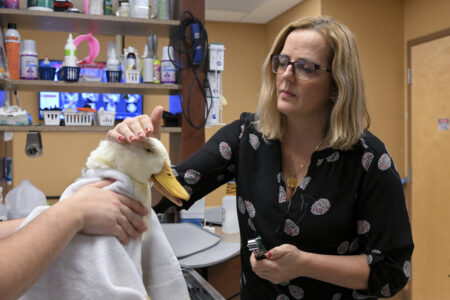
Like many services, veterinary care is labor-intensive; worker pay makes up about half the cost of running a practice. With wages rising nationally at the fastest pace in decades, many clinic owners have had to pay more to find or keep employees. Those wage increases have typically been passed on to pet owners in the form of higher prices.