
A slowdown in US inflation eases some pressure on households
Trending
WASHINGTON -- Inflation in the United States slowed again last month in the latest sign that price increases are cooling despite the pressures they continue to inflict on American households.
Consumer prices rose 7.1 percent in November from a year ago, the government said Tuesday. That was down sharply from 7.7 percent in October and a recent peak of 9.1 percent in June. It was the fifth straight decline.
Measured from month to month, which gives a more up-to-date snapshot, the consumer price index inched up just 0.1 percent. And so-called core inflation, which excludes volatile food and energy costs and which the Federal Reserve tracks closely, slowed to 6 percent compared with a year earlier. From October to November, core prices rose 0.2 percent -- the mildest increase since August 2021.
All told, the latest figures provided the strongest evidence to date that inflation in the United States is steadily slowing from the price acceleration that first struck about 18 months ago and reached a four-decade high earlier this year.
Gas prices have tumbled from their summer peak. The costs of used cars, health care, airline fares and hotel rooms also dropped in November. So did furniture and electricity prices. Housing costs jumped, though much of that data doesn't yet reflect real-time measures that show declines in home prices and apartment rents.
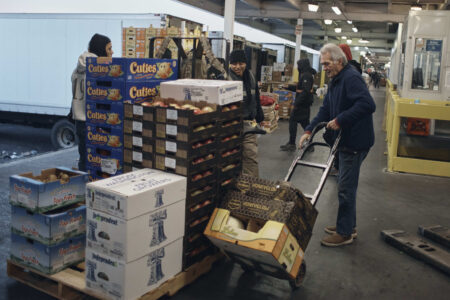
Grocery prices remain a trouble spot. They surged 0.5 percent from October to November and are up 12 percent compared with a year ago.
Those price spikes have left many Americans struggling to afford food. In Phoenix, there are long lines at St. Mary's Food Bank, which provided Thanksgiving meals to a record 19,000 families across Arizona last month.
"They're eating snacks and granola all day long," Rosa Davila, an unemployed single mother, said of her three teenagers while waiting in line for a package Tuesday. "The food bank really resolves things for us."
Alma Quintera, also waiting in her car, said that even with her husband working full time as a house painter, they have to visit the food bank two or three times a month to adequately feed their three school-age children.
"The high prices have really affected us -- the rent, the bills and especially the food," she said.
Jerry Brown, a spokesman for St. Mary's, said the food bank's main Phoenix location last week distributed packages to 4,717 families, up 63 percent from the same week a year ago.
Economists say the latest inflation figures, though, suggest the likelihood of some relief in the coming months.
"Inflation was terrible in 2022, but the outlook for 2023 is much better," said Bill Adams, chief economist for Comerica Bank. "Supply chains are working better, business inventories are higher, ending most of the shortages that fueled inflation in 2020."
President Joe Biden called the inflation report "welcome news for families across the country" and noted that lower auto and toy prices should benefit holiday shoppers. Still, Biden acknowledged that inflation might not return to "normal levels" until the end of next year.
One sign of progress in November's figures was that prices for new cars didn't budge from October. On average, new cars are still 7.2 percent costlier than they were a year ago. But that's down from a 13.2 percent year-over-year jump in April, which was the highest on records dating to 1953.
The decline in new-car prices helps illustrate how supply chain snarls, which have unwound for most goods, are also easing for semiconductors and other key automotive parts. Economists say this should enable automakers to boost production and give buyers an expanded supply of vehicles.
It also suggests that the Fed's aggressive interest rate hikes, which have made it more expensive to borrow for homes, cars and on credit cards, have begun to slow demand and limit the ability of auto dealers to charge more.
Wall Street welcomed the better-than-expected inflation data as providing further support for the Fed to slow and potentially pause its rate hikes by early next year.