
Trending
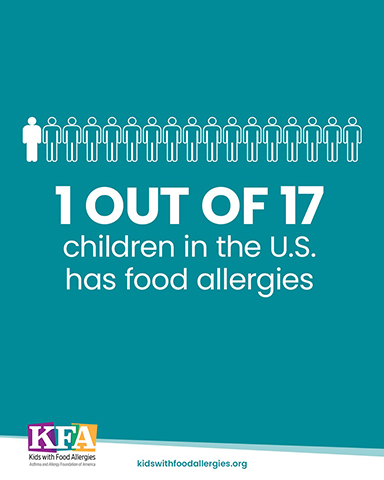
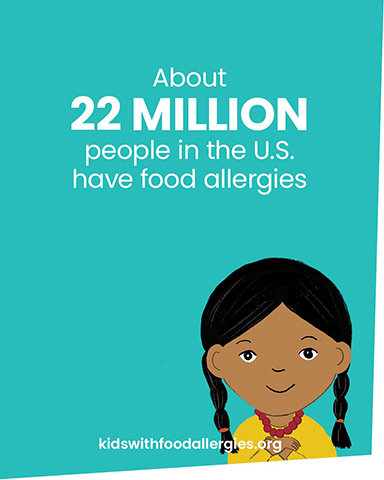
Approximately four to five million children and 18 million adults in the U.S. have food allergies. For some, side effects are mild: digestive issues, rashes, itchy, watery eyes, while others experience anaphylaxis. The nine primary foods identified in the U.S. as being common allergens are: milk, eggs, fish, shellfish, tree nuts, peanuts, wheat, soybeans and sesame. Stacey Tool-Crawford, Marshalltown School District's lead nurse, and Sydney Grewell, Marshall County Public Health director, share insights into staying safe and informed when it comes to food consumption.
"There are allergic reactions and then there is anaphylaxis," Grewell said. "During an allergic reaction, the immune system reacts to a harmless substance, and the symptoms tend to be localized or in one place. These are common symptoms we think of like itching or hives, sneezing, or even mild swelling. However, there are different types of allergic reactions like allergic rhinitis, allergic asthma, contact dermatitis, oral allergy syndrome, and anaphylaxis. Each of these can be caused by a number of things like food, animals or medicines to name a few. Anaphylaxis is a severe allergic reaction that can be life-threatening because your body overacts to something in the immune system causing symptoms of swelling, wheezing, shortness of breath and trouble swallowing."
Back in 2016, the school district first implemented its life-threatening allergy policy, reviewed annually. When students are registered for school, the question of food allergies is asked. All school cafeterias in the district are nut-free and offer alternative products with a doctor's note. Homemade treats are discouraged, and when food is brought into a building, it's helpful if it's commercially prepared, packaged and with an ingredients label. Menus for every school building are posted online. Upon clicking on a food item, a page displays common allergens it contains, along with nutritional facts such as calories, fat, cholesterol, sugars, etc: https://marshalltown.nutrislice.com/menus-eula.
While some students may carry their own epinephrine auto-injector, schools also stock the medical device in the health offices.
"It's for students and staff that maybe don't carry an EpiPen, because either number one, they just don't have it that day, or number two, they are reacting to something that they've never reacted to before," Tool-Crawford said. "At the beginning of the school year, we train staff on how to use an EpiPen. We strongly encourage parents to let us know if (students) have a food allergy."
For younger kids, their prescribed auto-injectors are usually kept in the nurses' offices, while older pupils carry them with them throughout the school day. Forms are signed by both the parent or guardian and prescribing physician to ensure it is a drug the student should have.
"Obviously, we want to make sure that it's not something that other students could get at or access. So we're very conscientious on that," Tool-Crawford noted.
While peanuts come to mind as causing severe side effects when ingested, she said she's seen a variety of foods that are harmful.
"We have staff allergic to citrus and kiwi," she said. "Some people have reactions to eggs and milk products. A lot of those are more of an intolerance...some are dairy-specific things. They can have cheese but not straight milk."
Sack lunches are allowed, but it's always possible allergens could be present in whatever came from home.
"We encourage kids to wash their hands before and after they eat to make sure there wouldn't be any kind of allergens that would cause issues with students," she added.
Food allergy symptoms usually appear within a few minutes of consumption, but can take up to two hours to manifest.
"Other symptoms of allergic reactions that people might not think of are vomiting, diarrhea or stomach pain," Grewell noted. "Marshall County Public Health does not directly handle patients related to food allergies, but we do inform the public on the importance of being educated on the different food allergies and how they can help keep themselves or neighbors safe. Recently we have been taking our epinephrine (Epi) training pen with us to outreach events to allow people to try out the pen and allow for questions to be asked. We feel it is important that people feel comfortable to be able to use these life saving medical tools in the event they encounter someone experiencing anaphylaxis."
Having to avoid certain foods doesn't have to be a hassle. Popular nut-free alternatives include sunflower seed butter (SunButter), WowButter, which is derived from soy, granola butter, and tahini, which is a sesame seed paste.
For a soy-free alternative to soy sauce, try coconut aminos, which is a dark, savory sauce made from fermented coconut palm sap and sea salt. It's also gluten-free.
If you can't eat eggs and need them as a binder in a recipe, consider substituting an egg with a banana, applesauce or ground flaxseed.
Alternatives to cow's milk include soy, oat, almond, coconut, rice, pea proteins and more. Lactose-free milk is real dairy milk with the lactose sugar broken down by adding the enzyme lactase, making it easier to digest for folks with lactose intolerance.
Gluten is found in wheat, rye, barley and triticale. Common substitutes include products made from rice, corn, almond, cassava, coconut, tapioca and potato starch. Note, cassava is the whole root tuber, while tapioca is the starch extracted from that root. Zoodles, made from zucchini that has been spiralized, peeled or julienned, is a low-carb and gluten-free option to traditional noodles.
"We have students in all of our buildings that do have food allergies -- some life-threatening," Tool-Crawford said. "That's why we have our policy and plan in place."