
Trending
The remainder of the responses from the four at-large city council candidates -- Timothy Bradbury, Sue Cahill, Scott McLain and Jeff Schneider -- to the T-R's questionnaire are printed below. The two mayoral candidates, Mike Ladehoff and Gary Thompson, will be featured in Monday's edition.
Bradbury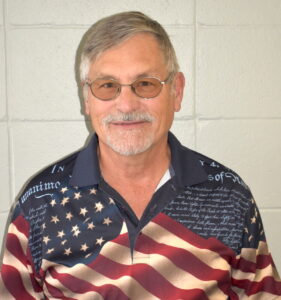
Bradbury: No -- why do malls seem to always go in cycles? In 20 years, will it be empty again? If it can't stand on its own, tough. The city needs those funds from the Mall instead of again adding it all on the taxpayers -- us seniors.
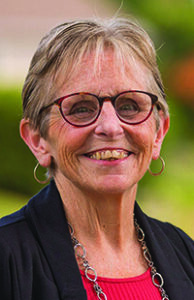
Cahill
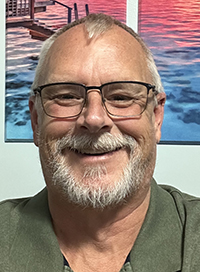
McLain
Additionally, I support greater transparency, accountability and reporting for organizations that receive public money to ensure taxpayer dollars are managed responsibly. Economic development must always serve the residents first, not special interests.
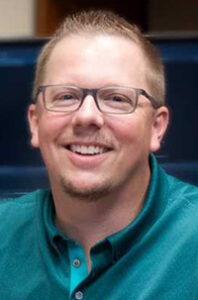
Schneider
Do you feel that the downtown reconstruction project has been positive for the city, and how would you advocate for supporting businesses that may be struggling as a result of it?
Bradbury: I am not aware of how we can support them, but not at taxpayers' expense. To encourage growth, North 3rd Avenue, streets, lots around JBS, and 13th Street. That would help our tax base.
Cahill: Sometimes positive things come from a lot of pain! After the tornado we felt this type of pain. Growth and rebuilding can be painful. This project was a necessity for long-term improvement in the downtown area. I feel our chamber and city have provided help for the businesses, but it will take all in the community to support our businesses during this process. We could support the businesses by offering a gift or incentive for shoppers visiting/purchasing from downtown businesses during the construction time.
McLain: Overall, the downtown reconstruction project has been a positive step toward restoring vitality to the city's core. Improved streetscapes, lighting, and accessibility help position Marshalltown for long-term success. However, small businesses bore the brunt of the disruption. Many lost foot traffic and revenue during construction. To support them, I propose short-term tax relief, targeted small business grants, and collaborative marketing initiatives to draw shoppers back downtown.
Future projects must include clear communication plans and construction schedules that minimize disruption. Our local businesses are the heart of the community -- they deserve both our gratitude and our support during times of transition.
Schneider: Yes, it's a huge positive -- a generational investment in our urban core. We can't evaluate these projects on a one-year horizon. There has been some inconvenience, but I work near downtown and I'm in the urban core nearly every day. It hasn't been bad. The city staff and construction crews have done a great job keeping everything as accessible as possible. The worst case scenario has been parking and walking maybe one city block further than before.
I love our restaurant choices downtown and have continued to support them with my business. The best way to support downtown businesses during construction is to keep patronizing them -- and that's exactly what I've been doing and encouraging others to do.
Do you believe the city should take ownership of the former downtown hospital property, and what, if any, role do you think the mayor and council should play in the redevelopment process?
Bradbury: I would have to have more details on the options or the status of it. Have a community meeting over the details or options.
Cahill: The downtown hospital is the reason my family moved to Marshalltown. My husband John, worked for 19 years at the institution before he died in 2006. Two of my children were born there, we experienced numerous surgeries, ER visits and rehabilitations. The hospital and those who worked there hold a special place in my heart. The building is an anchor for our historic downtown area. We cannot sit and watch it deteriorate under the current ownership. Just like many houses and businesses that were hit by the tornado, we as a community must step up and play an active role in its maintenance and redevelopment. If the city is unable to get cooperation from the current owner, then we need to take action to secure this key piece of property in our community.
McLain: The former hospital site is an important redevelopment opportunity -- but the city should not assume ownership unless there's a financially responsible plan in place. Otherwise, it risks becoming a long-term taxpayer liability. The current owners must be held legally responsible for securing and maintaining the site to protect public safety. The city should focus on facilitating private redevelopment through partnerships with credible developers and clear accountability measures. Whether the future use involves housing, small business space, or mixed-use development, it should fit our economic goals and community needs--without burdening taxpayers.
Schneider: I can't see how we're going to avoid owning it. It's a dangerous property and a civic embarrassment. The property has value, but the structure is a massive liability. Unfortunately, it appears to be our collective problem.
I don't want to continue litigating and complaining about how we got here -- I want to face the problem and move on. Razing it is the most likely option I see outside of a miracle investor. I'd rather see the building reused, but I don't know if market conditions will allow for that. The council's role should be to act decisively -- assess our options, make the hard decision, and move forward. We can't let this property continue to deteriorate and drag down our downtown.
If it hasn't already been alluded to in the previous questions, what do you believe is the single most important issue currently facing Marshalltown, and how would you address it if elected?
Bradbury: Nobody cares or is listening to us. Rather, it's the road conditions, services, noise problems, no pride or less public volunteering or helping others. How to address it -- bring community organizations for recognition, see if we can get jobs to promote their employees. To get involved benefits everybody.
Cahill: I believe the single most important issue is in the way citizens approach the future. We can not go back in time to the "good old days" as some people would suggest. We need to continually move forward with innovation and purpose. Today I drove Center St. from State St. to Church St. Despite many people talking about the "back-end parking" never working or being too hard, almost every car in the two blocks was parked correctly. We will adjust to newness. We will soon forget there was another way. We need to be positive and progressive in the plans and actions to better our community.
McLain: Without question, the most important issue is infrastructure. Our streets, sidewalks, and underground systems need consistent investment and management. Deferred maintenance only multiplies costs later. I will push for a comprehensive infrastructure plan that prioritizes road repair, preventative maintenance, and operational improvements.
One specific opportunity involves alternate side parking during winter. Marshalltown currently doesn't capitalize on this policy's potential to improve snow removal and street maintenance. By better coordinating snow operations with parking, we can clear streets more efficiently, extend pavement life, and save taxpayer dollars. Strong infrastructure supports everything else -- commerce, safety, and community pride. Getting it right today is how we prepare Marshalltown for the future.
Schneider: If I had to pick one, it's ensuring all our investments -- downtown infrastructure, trails, housing development -- work together to build momentum for Marshalltown. These aren't separate projects; they're interconnected pieces of our community's future. When we improve downtown, build the trail system, and support housing growth simultaneously, each effort reinforces the others. That's how we create the kind of progress that attracts new residents and businesses.
Why are you the most qualified candidate for the seat you are seeking?
Bradbury: To give people a choice. Are they satisfied with the same ole thing or somebody with different views on how the city is run and how our money is spent?
Cahill: I am seeking the city council at-large position. I am the most qualified candidate because of the variety of experiences I bring to the council. My strengths are listening and problem-solving with all in our community. I make connections with people enabling collaboration. I understand the proceedings of the council and setting and enforcing ordinances for the city. I understand and have participated in the budgeting process. My work at the state level gives me an overview of the state budgeting and taxing processes and its impact on the city. I have a proven record of caring for the people of Marshalltown and for getting things done. I am a forward-thinking person who wants to make our community better. If I want Marshalltown to be a better place for me, then we must make Marshalltown better for everyone. I will do that as your city councilor at large.
McLain: I am centered on focusing on the future of Marshalltown built on common sense, fiscal discipline, and correct priorities. That means strengthening our infrastructure, maintaining public safety, supporting local businesses, and making city government transparent and accessible. I believe the citizens of Marshalltown deserve a strong voice in how our city operates, and I will always listen before acting. Together, we can build a more self-reliant, vibrant Marshalltown where every decision reflects the values and hard work of its people.
Schneider: Every vote I make is to make Marshalltown's future better. I come studied and prepared for every meeting. I have strong professional relationships with city staff and other entities in our community. I know the issues. I'm the only incumbent in the at-large race, so I have more context and historical knowledge about the challenges we're facing than the other candidates.
Something else that distinguishes me is how I leverage technology to be a more effective leader. I use AI every day and teach others about it. Our world is changing far more rapidly than most people realize, and we need leaders at all levels of government who understand both the upside and risks of this technology. AI makes me a more productive and informed person, and I can leverage those skills to be a better representative and help guide our city through these transformative times. Looking ahead, AI will help city government operate more efficiently and enable citizens to self-service questions about ordinances, permits, and city services--making government more accessible to everyone. I plan to host some AI lectures in town in the coming months, so be on the lookout for those.
I'm proud of my voting record and the progress we've made.