
Netflix releases a posthumous interview with Eric Dane after his death from ALS
Trending
Eric Dane did not believe in an afterlife.
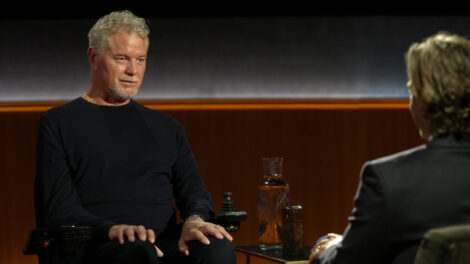
"I think when the lights go out, it's over," he said in an interview for "Famous Last Words," a Netflix series that's available now. "I do believe that once we go to sleep or however it is we -- we go, once we're gone, we're gone."
He also hoped in the interview that his two daughters, Billie and Georgia, would remember how he was present in their lives. He went to beach volleyball games and dance recitals, adding that he'd seen "The Nutcracker" many times and his review was, "That thing drones on, man."
The "Grey's Anatomy" and "Euphoria" actor died Thursday less than one year after he announced he was diagnosed with ALS, or Lou Gehrig's disease, which is a fatal nerve system disease.
"Famous Last Words" is based on a show that originated in Denmark. The premise is that a person is interviewed -- executive producer Brad Falchuk does the questioning in the Netflix show -- and it will not be released until their death.
Dane's interview is the second episode. The first was with primatologist and conservationist Jane Goodall, who died last October. Falchuk tells The Associated Press he's recorded five conversations already with plans for more.
No one else was present on set for the taping last November and even the camera operators were in a different room.
"The guest needs to be totally safe to speak honestly and say whatever they want and know that they're leaving something for people to experience with them not here," Falchuk said on Friday. Only a small number of people work on the production of the show afterward. "Very, very few people have seen it and very, very people even know whose done it," explained Falchuk.
"Famous people don't often get an opportunity to speak honestly about themselves and about what they think in the world," said Falchuk who is married to Oscar winner Gwyneth Paltrow. "They have to be very protective, especially nowadays. They say things and it goes everywhere and it gets misinterpreted and they also want to keep working or keep you know doing what they do, so this is an opportunity for them not to have to be guarded."
After his ALS diagnosis, Dane became an advocate to raise awareness and money to fight the disease. After his death, the organization I AM ALS released clips of him recorded for an upcoming documentary.